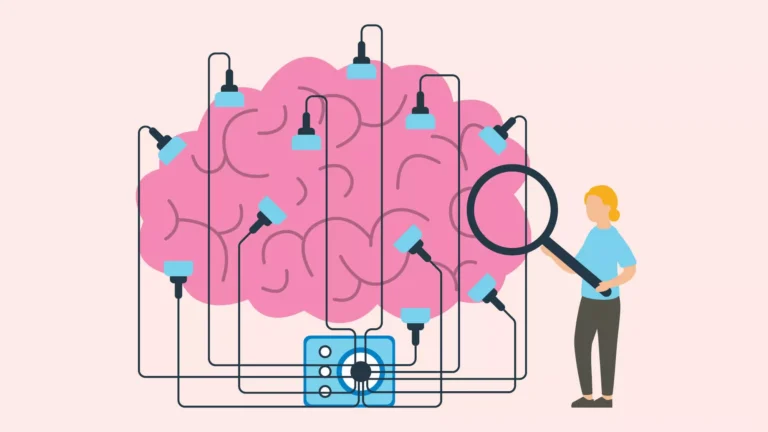

We often treat the mind and body as separate. But the two are in constant conversation. Long-term stress, anxiety or unresolved emotions rarely stay “in the head” — they show up as headaches, stomach trouble, skin flare-ups, fatigue and weakened immunity.
How stress affects the body
When we are stressed, the body releases hormones such as cortisol and adrenaline to prepare for action. That is helpful in short bursts. When stress becomes constant, this system stays switched on, and the body starts paying the price:
- Tension headaches and neck or back pain
- Acidity, IBS-like symptoms and changes in appetite
- Disturbed sleep and daytime tiredness
- Frequent colds and flare-ups of allergies or skin conditions
- Irritability, low mood and poor concentration
When physical symptoms keep returning without a clear cause, it is worth asking what the mind has been carrying.
Five simple habits that calm the system
- Breathe slowly — 5 minutes of slow belly breathing, twice a day
- Protect your sleep — fixed bedtime and screens off 30 minutes before
- Move daily — even a 20-minute walk lowers stress hormones
- Name your feelings — journaling or talking helps the brain process them
- Stay connected — time with people you trust is protective
When to seek support
If stress, anxiety or low mood is affecting your work, relationships or health for more than a few weeks, professional help can make a real difference. Our integrated care brings together psychological therapy, neuropsychological insight and homeopathic support, so both mind and body are cared for together.
Need personalised guidance?
Book a consultation with Dr. Priyanka Saggu to discuss your concerns and build a care plan that fits you.

Dr. Priyanka Saggu
BHMS (Bharati Vidyapeeth, Pune) and Master’s in Neuropsychology (Christ University, Bangalore). Dr. Priyanka works across neurological, neurosurgical and psychiatric care, blending homeopathy with cognitive retraining and emotional regulation.
Meet Our Team