
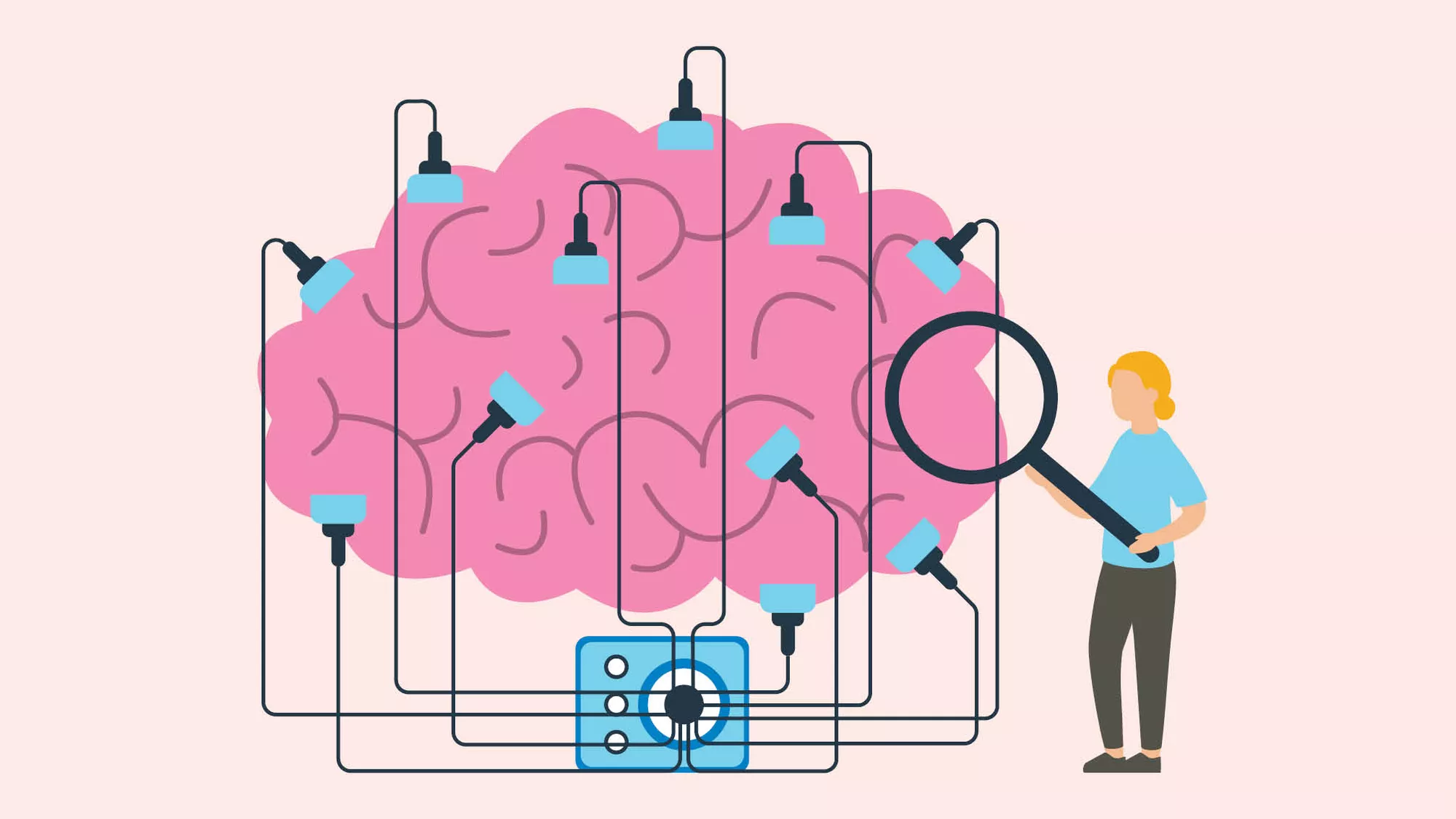
Forgetting names, losing focus mid-task or feeling “not quite yourself” after an illness can be unsettling. Sometimes it is simply stress or poor sleep. Sometimes it is a sign that the brain needs a closer look. A neuropsychological assessment helps tell the difference.
What is a neuropsychological assessment?
It is a structured evaluation of how well different brain functions are working. Unlike a scan, which shows the brain’s structure, an assessment shows how the brain performs in everyday thinking tasks. It typically looks at:
- Memory — learning, recall and recognition
- Attention & concentration — focus, speed and multitasking
- Executive functions — planning, problem solving, decision-making
- Language & visual-spatial skills
- Emotional regulation and behaviour
Signs it may be time for an assessment
- Noticeable memory decline in yourself or an elderly parent
- Changes in thinking or mood after a head injury, stroke or surgery
- Epilepsy with concerns about memory or learning
- Difficulty coping at work or studies despite effort
- Unexplained physical symptoms linked with stress (psychosomatic concerns)
An assessment does not just give a label — it gives a map of strengths and weaknesses that guides rehabilitation.
What happens after the assessment?
You receive clear feedback in simple language. Based on the findings, a cognitive retraining plan can be designed — structured exercises and strategies that help the brain strengthen weaker areas and use its strengths to compensate. Thanks to neuroplasticity, the brain can keep adapting at any age.
Family members are often involved, because small changes at home — routines, reminders, reducing overload — can make a big difference in daily functioning.
Need personalised guidance?
Book a consultation with Dr. Priyanka Saggu to discuss your concerns and build a care plan that fits you.

Dr. Priyanka Saggu
BHMS (Bharati Vidyapeeth, Pune) and Master’s in Neuropsychology (Christ University, Bangalore). Dr. Priyanka works across neurological, neurosurgical and psychiatric care, blending homeopathy with cognitive retraining and emotional regulation.
Meet Our Team