
- Primary Authority Service
Neuropsychological Services
Understanding the intricate relationship between the brain and behaviour through comprehensive assessments, cognitive retraining, and evidence-based interventions.
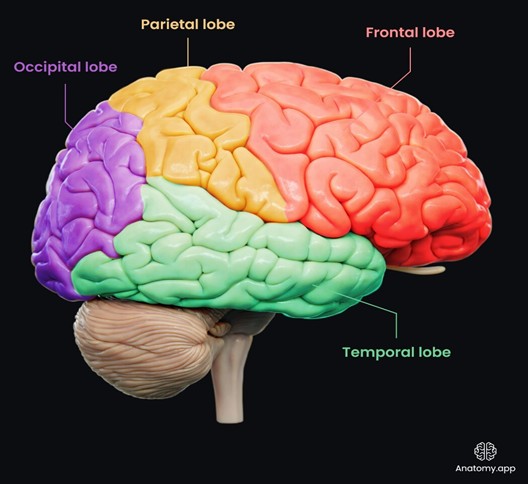
Which Track Is Right For You?
Neuropsychology supports two distinct journeys — restoring what has been affected, or optimizing what is already healthy. Both are powered by the same science of neuroplasticity.
Cognitive Retraining
"I want to recover or rebuild a function that has been affected."
- Post-stroke, TBI, or concussion recovery
- Dementia, MCI, Parkinson's, MS
- Post-chemo, long-COVID, post-surgery cognitive changes
- Children with learning, attention, or developmental concerns
- Epilepsy and other neurological conditions
Cognitive Enhancement
"I want to sharpen and optimize an already-healthy brain."
- Students preparing for competitive exams
- Professionals, entrepreneurs, and leaders
- Athletes and creative performers
- High-functioning adults seeking peak focus
- Anyone wanting to prevent age-related decline
Tailored Evaluation For Every Life Stage
The brain's needs change with age. Our assessments are adapted for children, adults, and older adults — using age-appropriate tools and frameworks.
Children (5–17)
Developmental, learning, attention & behaviour
Adults (18–60)
Cognitive complaints, mental health & performance
Older Adults (60+)
Healthy aging vs. pathological decline
Understanding The Science
What is Neuropsychology?
Neuropsychology is a branch of psychology dedicated to understanding the intricate relationship between the brain and behaviour. This complexity arises from its integration of various fields, including psychology, psychiatry, neurology, neurosurgery, medicine, and pharmacology.
It employs neuropsychological testing and brain mapping tools to evaluate brain functions, even in the absence of structural damage. These tools undergo rigorous testing in both laboratory settings and clinical populations to ensure their validity and reliability.
Neuropsychology covers a multitude of areas and aids in diagnosis, treatment planning, surgical outcomes, as well as providing solutions in the form of catered retraining plans for individuals suffering from any cognitive function disturbances with or without psychological illnesses.
The Foundation
What is Cognition?
“Cognition refers to the set of processes (cognitive functions) that enable individuals to perceive external stimuli, extract relevant information, process it, and ultimately generate thoughts and actions directed toward achieving a desired goal.”
Our brain engages in numerous higher-order functions every single day. The cognitive functions form the very foundation of these processes. They are deeply interconnected, such that a deficit in one domain often leads to disturbances in several others, reflecting the integrative nature of brain functioning.
Cognitive functions are essential for performing everyday activities, ranging from simple decisions like purchasing an item or deciding to eat, to acquiring new skills and advancing academically, as well as handling the most complex tasks throughout the day.
Attention & Concentration
Strengthening sustained, selective, and divided attention to reduce distractibility and mental fatigue.
Learning & Memory
Targeted retraining of short-term, working, and long-term memory to support learning and daily functioning.
Executive Functions
Problem-solving, decision-making, organization, cognitive flexibility, impulse control, and emotional regulation.
Planning & Decision-Making
Higher-order processes that enable goal-directed behavior, strategic thinking, and adaptive responses.
Language & Communication
Support for receptive and expressive language, verbal fluency, and pragmatic communication skills.
Spatial & Object Orientation
Enhancing visuospatial processing and awareness for better navigation and object recognition.
Beyond Thought
What is Behaviour?
Behaviour is the expression of underlying mental, emotional, and physiological processes, often studied to understand thoughts, motivations, and personality.
🧠 “Behaviour is what we do; cognition is what we think; emotion is what we feel — but all three are interconnected.”
Behaviour is the response an individual generates in relation to the surrounding stimuli — reflecting their ability to think, feel, and act in accordance with the demands of their environment.
Cognition vs Behaviour
Cognitive Functions
Internal mental processes: attention, memory, reasoning, and executive functions that can be assessed using neuropsychological tools.
Behaviours
Expressive actions influenced by emotions, thoughts, experiences, reinforcements, psychosocial aspects like family background, upbringing, and lifelong learning.
Brain Science
Cognitive Functions & Neuroplasticity
Neuroplasticity refers to the ability of the neurons to adapt both structurally and functionally in response to environmental changes. It involves the continuous reorganization of the brain as needed, shaped by external or internal stimuli.
Cognitive functions encompass executive functions such as cognitive flexibility, focused attention, divided attention, learning, memory, working memory, and visuospatial memory, among others. These functions can be assessed using neuropsychological tools validated through research and neuroimaging studies.
Foundation of Healing
It’s the foundation of how we heal, learn, and grow. At our centre, we use this principle through cognitive retraining, helping the brain restore lost functions or strengthen healthier patterns after stress, trauma, or illness.
Clinical Importance
The brain utilizes unique processes to reorganize itself after suffering damage or injury. The functionality and connectivity between different regions result in its ability to rewire itself and restore lost functions.
Synaptic Plasticity
Behaviours—whether good or bad—are reinforced by synaptic plasticity, strengthened through repeated practice. This ongoing plasticity plays a crucial role in development and is shaped by social and familial environments.
Core Areas of Focus
Core Cognitive Domains Addressed
Our cognitive retraining programs target specific domains essential for daily functioning, learning, emotional regulation, and adaptive behaviour across the lifespan.
Memory
Memory retraining focuses on strengthening the brain’s ability to encode, store, and retrieve information efficiently.
- Attention-dependent encoding
- Short-term and working memory capacity
- Long-term memory consolidation and retrieval
- Prospective memory (remembering to remember)
- + 1 more
Especially relevant for individuals experiencing forgetfulness, academic learning difficulties, post-illness cognitive changes, neurological conditions, or age-related memory decline.
Learning
Learning retraining aims to enhance how the brain acquires, processes, and applies new information.
- Learning speed and efficiency
- Concept formation and generalization
- Error awareness and correction
- Transfer of learning across contexts
- + 1 more
Designed to support children with learning challenges as well as adults facing difficulties with skill acquisition, retraining, or cognitive adaptation.
Attention & Concentration
Attention retraining targets the brain’s capacity to maintain and regulate focus over time.
- Sustained attention and vigilance
- Selective attention and distraction control
- Divided and alternating attention
- Processing speed and mental endurance
- + 1 more
Crucial for individuals with attentional instability, mental fatigue, high distractibility, or performance inconsistency.
Executive Functions
Executive function retraining focuses on higher-order cognitive control systems that govern goal-directed behaviour and self-regulation.
- Planning, organization, and sequencing
- Problem-solving and reasoning
- Decision-making under complexity
- Working memory and cognitive load management
- + 5 more
Central to academic success, workplace performance, independence, and emotional-behavioural control.
Language & Communication
Language retraining supports both comprehension and expression in everyday communication.
- Receptive language and auditory processing
- Expressive language formulation
- Verbal fluency and word retrieval
- Pragmatic and social communication
- + 1 more
Adapted for neurodevelopmental, neurological, and acquired language difficulties across age groups.
Emotions & Behaviour
Cognitive-emotional retraining recognizes that emotional regulation and behaviour are inseparable from cognitive control.
- Emotional awareness and labelling
- Regulation of emotional intensity
- Stress tolerance and frustration management
- Behavioural inhibition and self-control
- + 1 more
Particularly important where emotional dysregulation, stress overload, trauma, or mood disturbances interfere with cognitive functioning and daily life.
When to Seek Help
Indications for Neuropsychological Assessment
Neuropsychological assessment is indicated when there is a need to objectively evaluate cognitive, emotional, behavioural, and functional brain–behaviour relationships. These assessments help in diagnosis, treatment planning, retraining, academic or occupational accommodations, and monitoring change over time.
Developmental & Learning Concerns
- Delays in cognitive, language, academic, or adaptive development
- Learning difficulties (reading, writing, mathematics, comprehension)
- Attention difficulties, distractibility, poor concentration, or hyperactivity
- Executive function difficulties affecting planning, organization, or task completion
- Social communication difficulties or poor peer interaction
- Neurodevelopmental conditions (ADHD, Autism Spectrum Disorders, Intellectual Disability
Academic & School-Related Difficulties
- Decline in academic performance inconsistent with intellectual ability
- Difficulty coping with academic demands despite adequate instruction
Neurological Conditions
- Epilepsy and seizure disorders
- Stroke, transient ischemic attacks, or cerebrovascular conditions
- Traumatic brain injury (mild, moderate, or severe)
- Neurodegenerative disorders (e.g., dementia, Parkinsonian syndromes)
- Head injury with persistent cognitive or behavioural symptoms
- Brain tumours, infections, or inflammatory conditions
Psychiatric & Emotional Disorders
- Depression, anxiety, bipolar disorder, or mood instability with cognitive complaints
- Emotional dysregulation affecting attention, memory, or decision-making
- Trauma-related conditions impacting cognition or behavior
- Functional cognitive complaints not explained by routine medical investigations
- Differentiation between primary psychiatric vs neurological cognitive impairment
Cognitive Complaints in Adults
- Memory complaints, forgetfulness, or mental slowing
- Difficulty multitasking, decision-making, or problem-solving
- Work-related performance decline or burnout, etc.
Geriatric & Aging-Related Concerns
- Mild cognitive impairment (MCI)
- Early identification of dementia or neurodegenerative disorders
- Monitoring cognitive decline over time
- + 2 more indicators
Behavioural & Adaptive Functioning Issues
- Poor impulse control, emotional regulation, or behavioural inhibition
- Difficulties in daily functioning, independence, or social adaptation
- Maladaptive behaviours interfering with learning or relationships
- + 1 more indicators
Pre- and Post-Medical/Surgical Evaluation
- Baseline cognitive assessment before neurosurgery or medical procedures
- Post-operative or post-illness cognitive evaluation
- Monitoring recovery, treatment effects, or disease progression
- + 1 more indicators
Understanding the Value
Why Neuropsychological Assessment?
Neuropsychological assessment provides a detailed, objective understanding of brain functioning, allowing clinicians to make informed decisions about care and intervention.
- Identify underlying cognitive mechanisms
- Differentiate between overlapping clinical conditions
- Guide targeted interventions and retraining
- Support evidence-based clinical and functional decisions
Cognitive Retraining & Brain Function Retraining
A structured, neuroscience-informed therapeutic approach aimed at restoring, strengthening, and optimizing brain functions essential for daily living, learning, emotional balance, and adaptive behavior.
The human brain performs innumerable cognitive operations every day—often with such efficiency that their complexity goes unnoticed. It is only when these processes are disrupted that individuals experience pauses in functioning, difficulty coping, or a decline in performance.
Populations We Serve
Find the group that sounds like you or your loved one. Every plan is shaped around age, the concern you're facing, and the daily-life goals that matter most to you.
Children (5–12)
Support for learning difficulties, ADHD, autism spectrum, developmental delays, and emotional regulation challenges. Retraining is play-based, multisensory, and integrated with school routines and caregiver coaching.
Adolescents (13–17)
Targeted work on executive function, study skills, emotional regulation, identity stress, exam anxiety, and screen-related attention difficulties — balancing academic load with adolescent neurodevelopment.
Adults (18–60)
Address cognitive changes from stress, burnout, anxiety, depression, post-concussion, post-COVID brain fog, or early neurological conditions — restoring focus, memory, decision-making, and work performance.
Older Adults (60+)
Retraining for Mild Cognitive Impairment (MCI), early dementia, post-stroke recovery, Parkinson's-related cognitive changes, and healthy aging — preserving independence, memory, and engagement in daily life.
Caregivers & Families
Structured guidance for spouses, children, and caregivers — learning how to support cognitive recovery at home, manage behavioural changes, and prevent caregiver burnout.
Post-Medical / Post-Surgical
Cognitive retraining following neurosurgery, chemotherapy ("chemo brain"), prolonged hospitalization, or major medical illness — rebuilding mental stamina and functional independence.
Supportive Homoeopathic Treatment — Available for Everyone Above
Alongside assessment and retraining, you can choose supportive homoeopathic care for any neuropsychiatric presentation — whether it shows up as behaviour, development, sleep, mood, or other related symptoms. Both supportive treatment (for the symptoms troubling you now) and constitutional treatment (a longer-term, whole-person prescription) are available if you wish to take them. It is never compulsory, and retraining works fully on its own too.
Our Therapeutic Approach
Cognitive retraining is delivered through structured, evidence-based exercises, real-life task simulations, and strategy training, with continuous monitoring of progress. Therapy is adapted dynamically as cognitive capacities improve, ensuring relevance and sustainability of gains.
The goal is not merely symptom reduction, but functional recovery, cognitive resilience, and improved day-to-day performance—helping individuals regain confidence in their cognitive abilities and restore balance across mental, emotional, and behavioural domains.
Assessment, Screening & Retraining Sessions
The three core building blocks of the Cognitive Retraining Track. Plans are tailored to each person, so we share costs after a short introductory conversation.
Complete
Neuropsychological
Evaluation
A full assessment of cognitive functions including memory, attention, language, executive functions, etc. Includes a detailed evaluation to guide personalized intervention.
Basic Cognitive Screening
Initial screening to identify areas of concern and determine if comprehensive evaluation is needed.
Cognitive Retraining Session
Tailored exercises and retraining sessions to boost mental skills and build new neural pathways. Designed for long-term brain health and improvement.
Session length: 1 hour
Cognitive Enhancement Track
For healthy brains seeking peak performance. Neuroscience-informed coaching that sharpens focus, accelerates decision-making, and builds long-term cognitive resilience.
Who It's For
- Students preparing for boards, NEET, JEE, UPSC, CAT, GRE
- Working professionals & entrepreneurs
- Leaders, athletes, performers, creatives
- Adults wanting to prevent age-related cognitive decline
Domains Optimized
- Sustained focus & attention control
- Working memory & decision speed
- Mental stamina & cognitive endurance
- Emotional regulation under pressure
- Creativity & cognitive flexibility
How It Works
- Baseline cognitive profiling assessment
- Personalized neuro-coaching plan
- Weekly brain-training sessions & strategies
- Lifestyle, sleep & nutrition guidance
- Re-assessment to measure performance gains
Retraining Vs. Enhancement – At A Glance
Ready to Understand Your Brain Better?
Take the first step towards cognitive clarity and enhanced brain function. Schedule a neuropsychological assessment with Dr. Priyanka to discover your cognitive profile and personalized path to wellness.